

As voters across the United States head to the polls, the question posed by shipping industry analysts is: which regulatory regime will prevail? Will it be Donald Trump's hard-hitting, protectionist, tariff barriers, or a looser tariff fence?
According to Peter Sand, chief analyst at Xeneta, “It's more important to arrive at an election result quickly than who wins or loses in the short term, and carriers and shippers need to know who wins rather than be in a month-long state of uncertainty.”
If there is a disputed outcome, Sand said, then for up to a month shippers and importers will have to assume that the toughest policies are in effect and act accordingly.
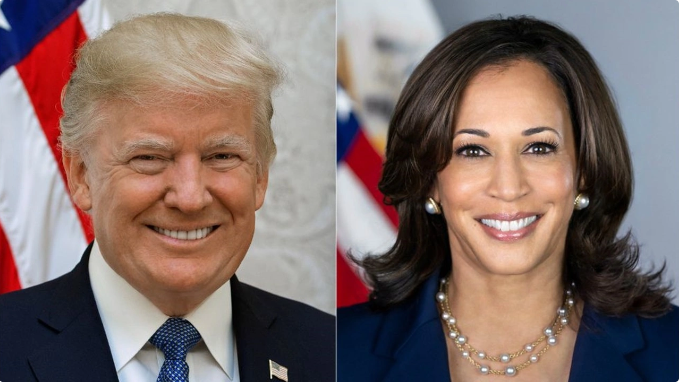
Sander explains, “If Donald Trump wins, that will be the biggest threat to global trade, but it's not the reality that's really worrying, it's his rhetoric.”
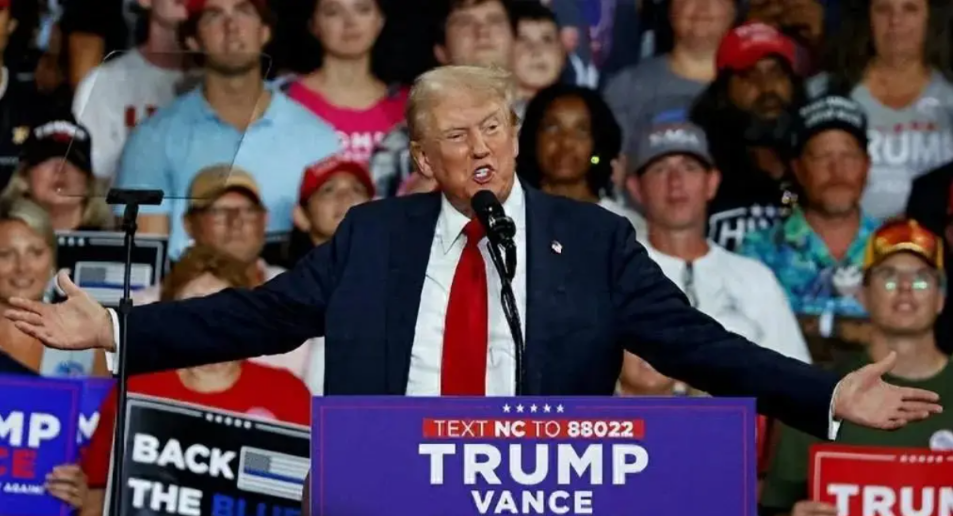
Trump's policy views include protectionism, so shippers and importers need to react to the possibility that a Republican presidential victory could lead to the imposition of tariff barriers.
Sander said, “We will see more front-loading than we would have seen in a Harris victory scenario, so vessel utilization and freight rates will increase.”
According to Sander, these carriers have been successful in keeping utilization rates high over the past year, but current market fundamentals will result in lower freight rates.
Although consultancy Linerlytica said that the shipping lines announced lower than expected rate increases for November, they announced November rate increases nonetheless: “The shipping lines raised rates in November as expected, but by a smaller amount than initially planned, at least reversing the consecutive downward trend that had been in place since July, a period during which valuations of the SCFI and the CCFI, respectively, had fell by 45% and 37%.”
However, if the election results are excluded, the consultant is not convinced that the routes will be able to realize these increases.
“Without additional capacity reductions, it will be difficult for carriers to sustain rate increases during a seasonally weak November.”
Demand remains weak, according to Linerlytica, and the rise in utilization at the end of October was largely due to the Chinese National Day shutdown and the presence or absence of related delays in Asia.
Sander said rates could fall again around mid-November: “GRIs (General Rate Increase) are usually set at $1,000 to $1,500 per TEU and then stabilize at around $600 to $800 per TEU. to around $800 per TEU, but these price increases run counter to market fundamentals and there are no underlying factors to support them.”
A Trump presidency could change that view.